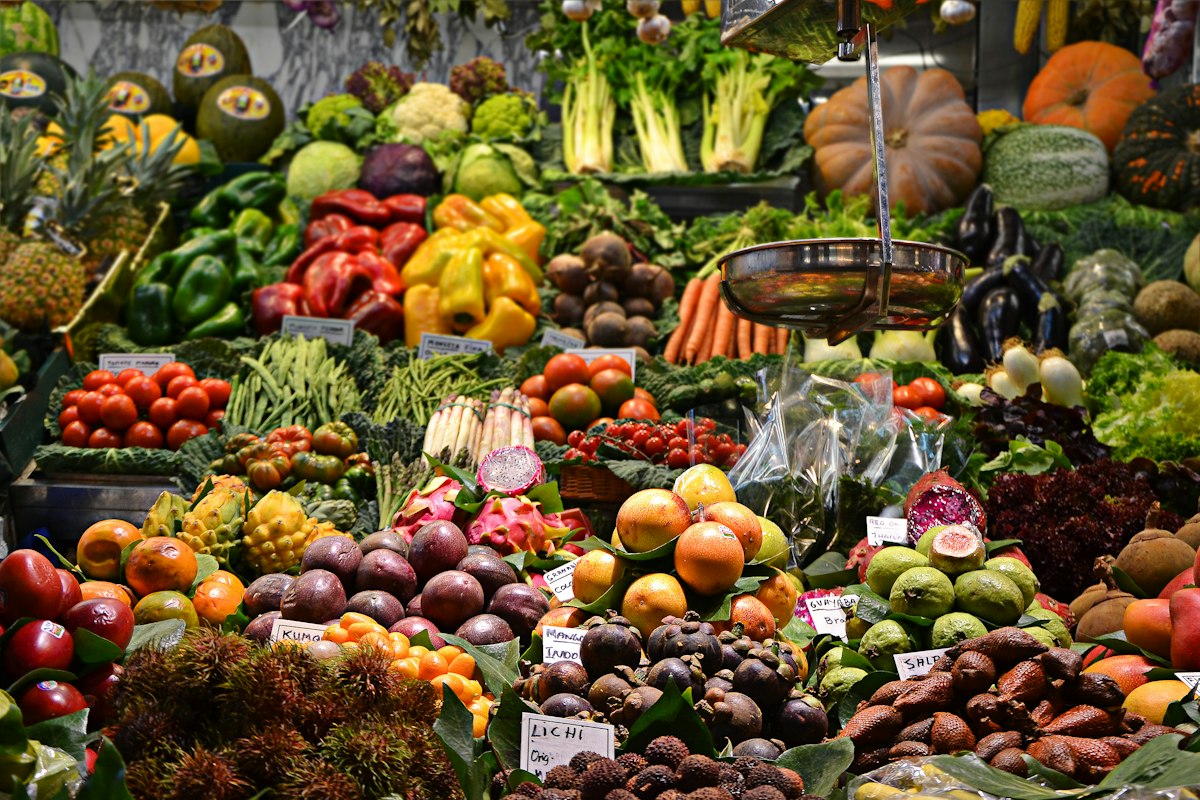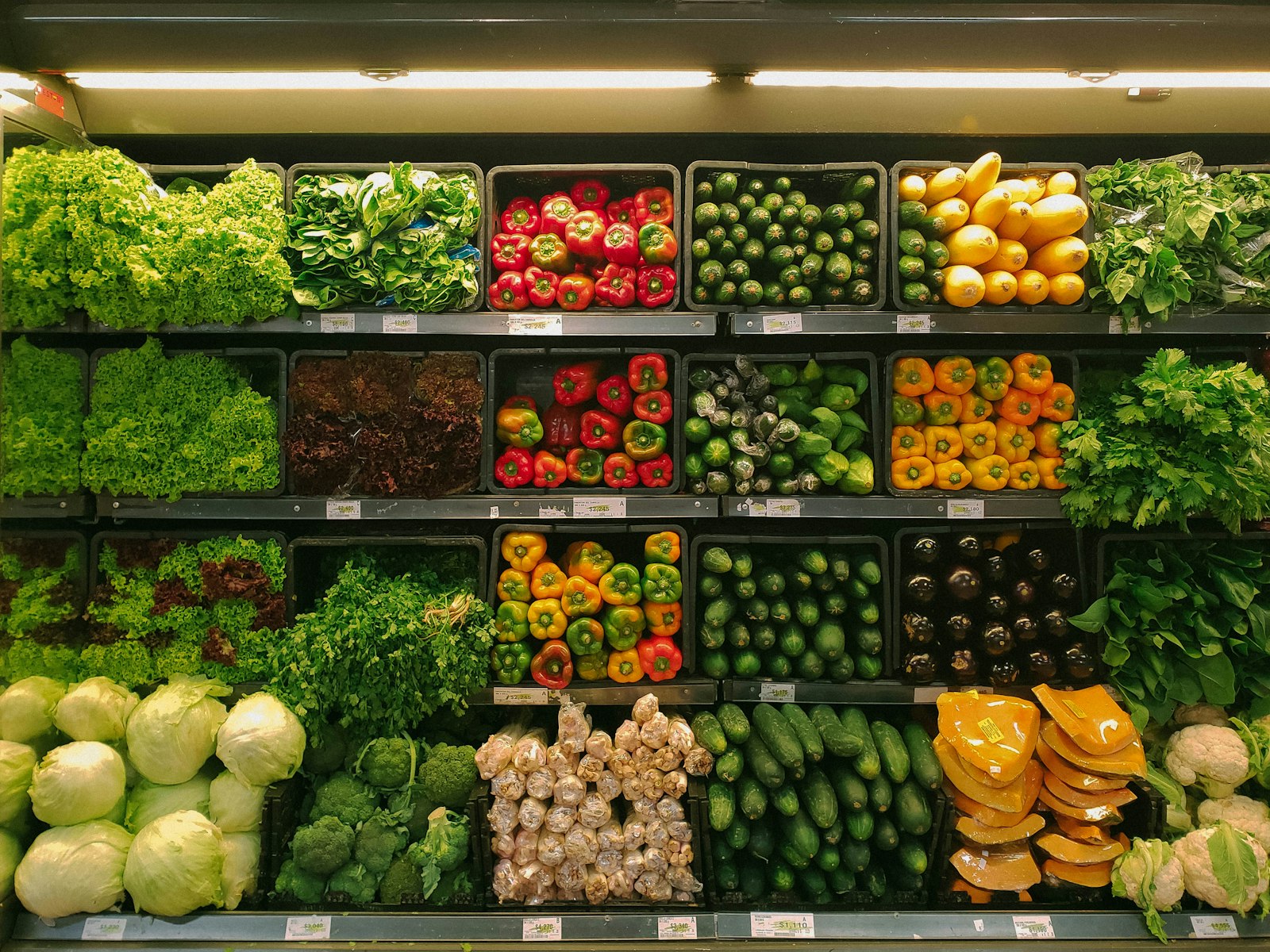

There is a version of grocery savings that feels like punishment — coupons for things you don't want, spreadsheets, store-hopping across town. Then there is the older, gentler version: buy what is in season, cook around it, and let abundance set the price. Eating with the seasons is the rare frugal habit that makes food taste better while it trims the bill.
Why peak-season produce costs less
When a crop is at its local peak, supply is high, transport distances shrink, and stores compete to move volume. That is when quality and price meet: tomatoes in late summer, winter squash in the fall, citrus in the cold months, berries at their height rather than flown in during the off-season. Out-of-season produce can cost noticeably more and often disappoints anyway — it was bred and picked to survive the journey, not to taste like much when it arrives.
The same logic explains why the 'same' salad costs so much more in one month than another: the ingredients didn't change, the distance and scarcity did.
Learn your region's rhythm
You don't need to memorize an almanac. Most regions publish simple seasonal produce calendars through university extension programs, and the store itself broadcasts the answer: the front-of-department displays, the big multi-pound bags, the items piled high are usually what's abundant right now. Farmers' market stalls are an even more honest signal — growers can only sell what the season is actually producing.
Prices themselves are a teacher. When a fruit or vegetable quietly drops week after week, its season is arriving; when it creeps back up, the window is closing. Shop the same store for a month with your eyes open and you will absorb the rhythm without studying anything.
Plan the week around abundance
Flip the usual planning order. Instead of choosing recipes and then buying ingredients at whatever they cost, scan what's plentiful first and choose dishes that showcase it. A pile of zucchini becomes a stir-fry, a frittata, and a soup. A cheap bag of apples becomes snacks, oatmeal topping, and a baked dessert. Build two or three flexible template meals — grain bowl, sheet-pan roast, soup — that accept whatever the season hands you, and the plan writes itself.
This is also the cheapest variety plan ever devised. The calendar changes the menu for you, so meals rotate through the year on their own instead of settling into the same seven dinners.
Preserve the surplus
Seasonal buying occasionally hands you more than you can eat, and that is a feature. The freezer is the easiest preservation tool ever invented: blanch and freeze vegetables, freeze berries on a tray before bagging, batch-cook and freeze soups. Herbs can be chopped into oil in an ice-cube tray. You are effectively storing summer prices to spend in the off-season, no canning equipment required.
Label everything with a date, and treat the freezer like a pantry you actually visit — a periodic week of meals built from what's stored keeps the backlog moving and the register total low.
The frozen aisle counts too
One more quiet ally: frozen fruits and vegetables are typically processed at peak harvest, which means the season is preserved in the bag — often at a friendly price and with none of the spoilage risk. When the fresh version is out of season, frozen is frequently the smarter buy for cooking. Eating seasonally isn't a rule to obey perfectly; it's a habit of noticing. Notice what's abundant, cook toward it, and the savings follow without a single coupon clipped.
Canned staples like tomatoes and beans play the same role on the shelf, bridging the months until the fresh version returns.