
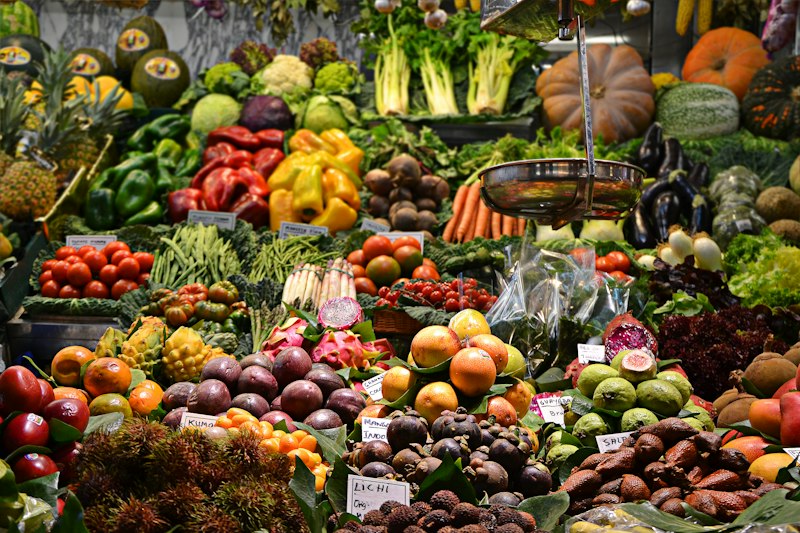
Every Saturday for the last three months, I've done something a little obsessive. I go to my neighborhood farmers market with a notebook, price out what I'm buying per pound, and then walk into the grocery store two blocks away and price out the same items. I started this because a friend insisted the farmers market was "cute but expensive," and I wanted actual numbers instead of a vibe. What I found surprised both of us.
The grocery store isn't cheaper. It's just organized to feel cheaper, and that's a different thing entirely.
The Illusion of the Big Display
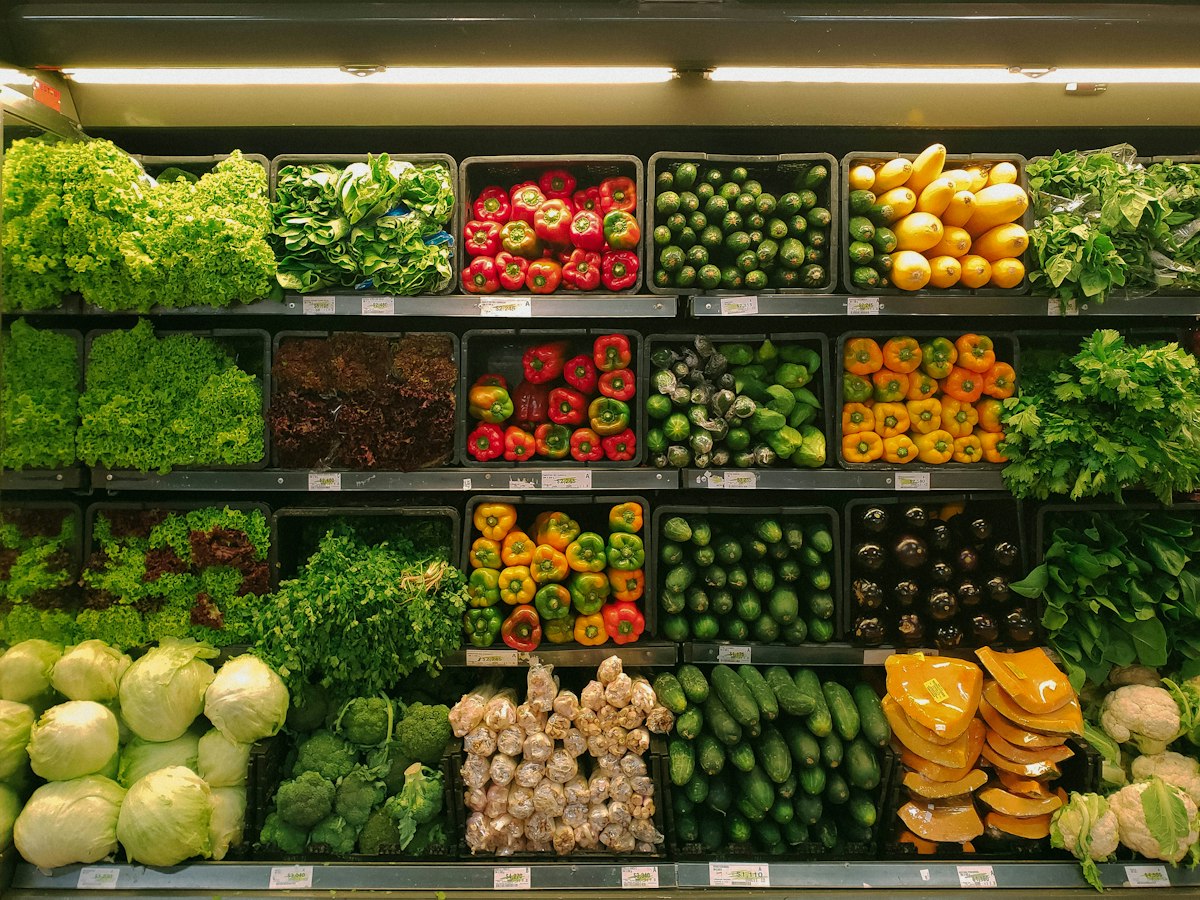
Walk into a grocery store's produce section and the first thing that hits you is scale. Towering pyramids of apples, a wall of pre-bagged salad mixes, a refrigerated case humming under bright light. Scale reads as value in our brains, even when it isn't. A grocery store spends money on refrigeration, on shipping produce from wherever it's cheapest to grow that week, on shrink-wrapping and pre-washing and bagging, and every one of those steps gets folded into the sticker price whether you asked for the convenience or not.
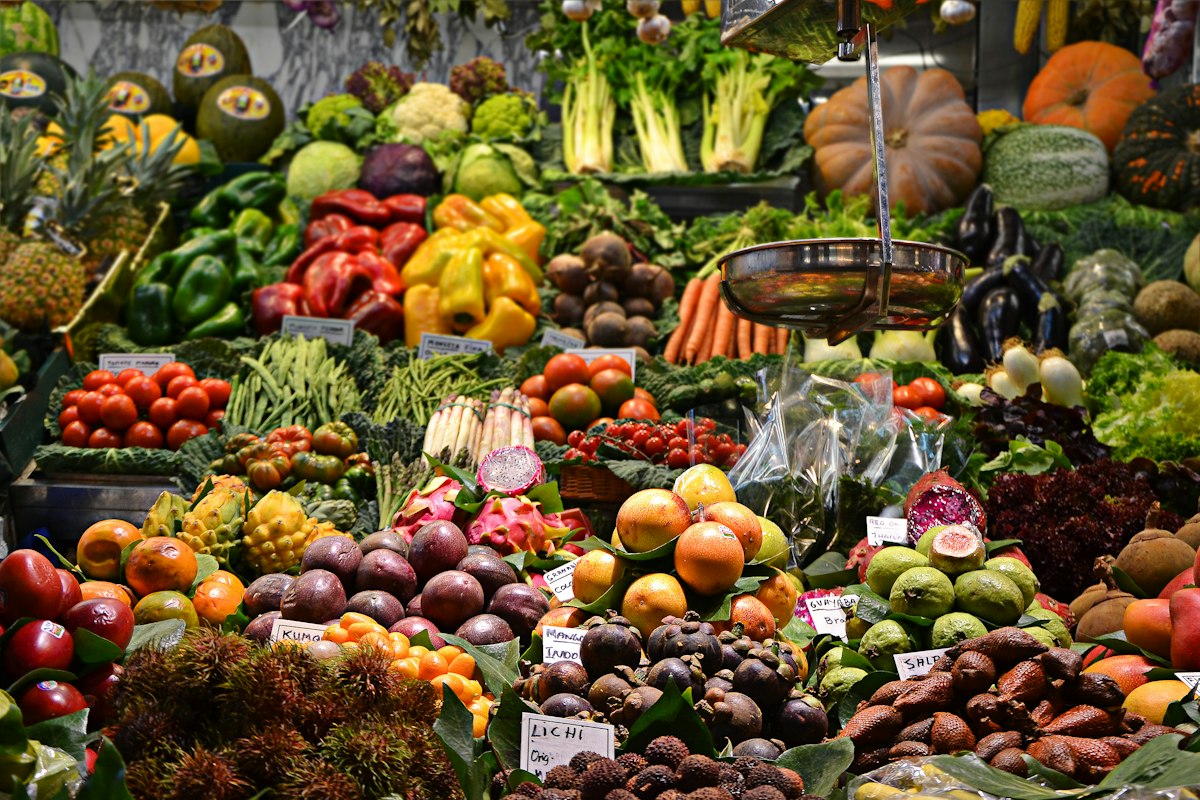
At the farmers market, a pound of tomatoes from a grower twenty miles away skips almost all of that. No refrigerated trucking for a week, no distribution center, no plastic clamshell. When I priced tomatoes in August, the market stall was running $2.50 a pound. The grocery store's "on sale" tomatoes, the ones with a bright yellow tag practically shouting at me, were $3.29 a pound, and the non-sale vine tomatoes next to them were $4.99.
Where the Math Actually Tilts
This isn't true across every item, and that's the part people miss when they treat "farmers market" or "grocery store" as a single verdict instead of a per-item comparison. Here's the pattern I found after tracking about fifteen items over three visits.
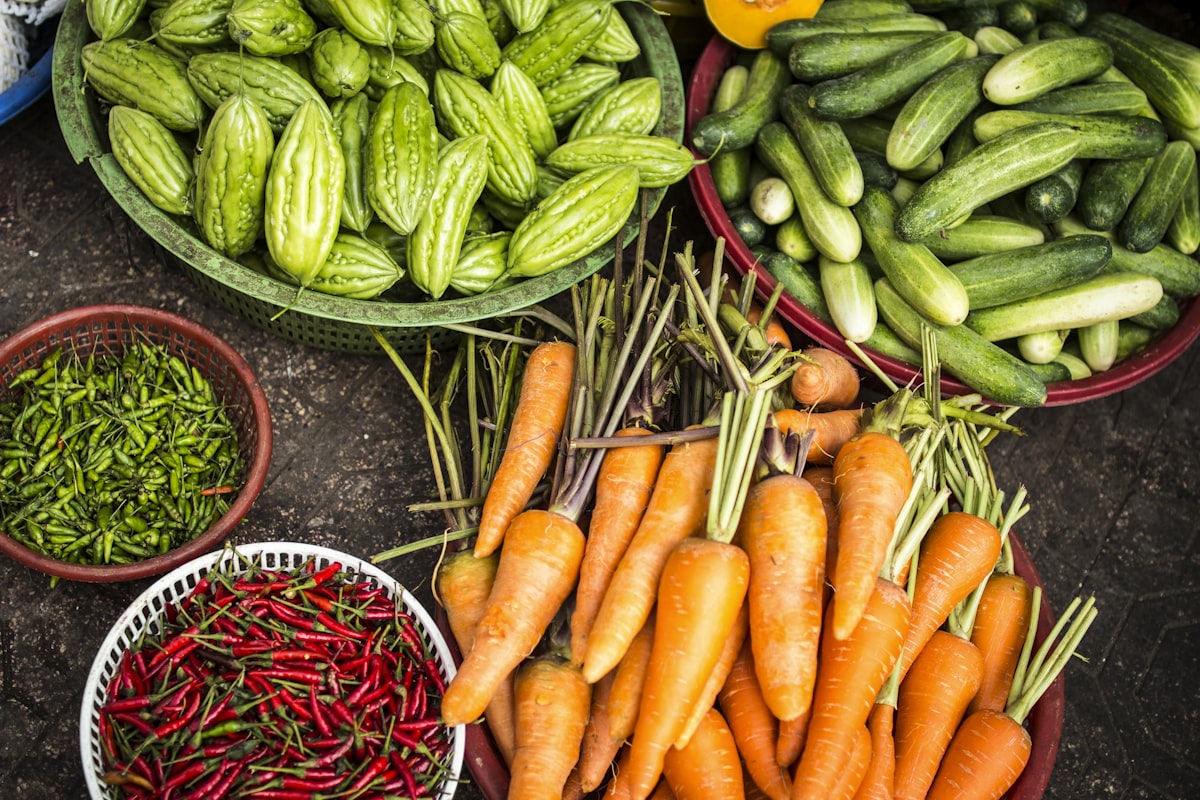
In-season, locally grown produce at the market consistently beat the grocery store, sometimes by a little, sometimes by a lot. Corn, tomatoes, peaches, and summer squash were all cheaper at the stall than in the store, and they were picked within a day or two rather than a week or more earlier.
Out-of-season or non-local items flipped the other way. A vendor selling avocados that clearly weren't grown anywhere near me was charging a premium for the novelty of having them at a market stand. The grocery store, buying in bulk from a national distribution network, beat that price every time. The lesson isn't "markets are cheap," it's "markets are cheap for what's actually in season near you right now."
The Hidden Cost of Bagged Convenience
The biggest gap I found wasn't in raw produce at all — it was in pre-cut and pre-washed items. A bag of pre-washed spinach at the grocery store ran nearly three times the price per ounce of loose bunched spinach, which itself was still pricier than the market's bundles. You're not paying for spinach at that point. You're paying someone to wash and bag spinach for you, and that labor charge is baked invisibly into a produce aisle that's supposed to feel like a straightforward food purchase.
Same story with pre-cut fruit cups, shredded carrots, and those little clamshells of cherry tomatoes. Every step of processing between the farm and your cart adds a markup, and grocery stores are very good at making that markup disappear into a price that still looks reasonable next to a $6 latte.
Accounting for the Stuff Nobody Mentions
To be fair to the skeptics, there are real costs to market shopping that don't show up on a per-pound comparison. You typically can't use a single loyalty card or stack a coupon at a farmers market. Most stalls are cash-or-card with no bulk discount structure, so buying six pounds of onions doesn't get cheaper the way a warehouse-size bag might at a store. And a market trip takes planning: it's usually a fixed morning window once or twice a week, not a store that's open until eleven at night when you're out of milk.
There's also the reality that markets don't sell everything. You still need a grocery store for pantry staples, dairy, meat in most cases, and the hundred small household items that never show up at a produce stand. A weekly food budget realistically splits between both, and pretending you can do all your shopping at one or the other misses how most people actually eat.
Running Your Own Numbers
If you want to check this for your own market instead of taking my word for it, the exercise takes maybe twenty extra minutes on a Saturday. Pick five or six items you buy regularly. Note the price per pound or per unit at the market, then check the same item at your regular grocery store that same week — not last month's memory of the price, this week's actual tag. Do this for a month before drawing conclusions, because a single week can be skewed by a sale or a vendor running low on something.
What you'll likely find is a mixed picture, not a clean winner. Some items will be a clear win at the market. Others will be a clear win at the store. The value isn't in loyalty to one venue — it's in knowing which items belong where, so the next time you're standing in a grocery aisle grabbing a bag of pre-washed greens out of habit, you can ask whether that habit is actually saving you the time and money you assume it is.
The market I go to isn't going to replace my grocery budget entirely, and it was never going to. But three months of actually writing down numbers changed how I shop more than any budgeting app I've tried, because it replaced a vague sense of "markets are fancier" with a specific, checkable answer: for what's in season, right now, near me, they're often the better deal — and the grocery store's real advantage is everything else.