

There's a version of stockpiling that gets a bad reputation, and honestly, it earns it. You've probably seen the photos: garages converted into warehouse aisles, shelving units floor to ceiling with forty bottles of the same salad dressing, freezers so packed nobody can find what's actually in them. That's not what I do, and it's not what I'm suggesting you do either. What I want to talk about is the quieter, more useful version of stockpiling that's actually just smart inventory management applied to your kitchen.
The Difference Between Stockpiling and Hoarding
The distinction I use in my own house is simple: am I buying more of something I already use regularly, at a genuinely deep discount, in a quantity I can realistically get through before it expires or goes stale? If yes, that's stockpiling. If I'm buying something because it's cheap regardless of whether we'll use it, or buying so much of it that it'll expire before we get through it, that's just tying up cash on a shelf, and it's not actually saving anything.
Hoarding also has a hidden cost that people rarely calculate: the money spent on the twentieth jar of pasta sauce is money that isn't available for this week's groceries, or for the emergency that shows up unannounced. A stockpile should free up future cash flow, not lock up current cash flow. If you're stretching your weekly budget thin to load up on a deal, you've inverted the entire purpose.
What We Actually Stockpile
We limit our stockpile to shelf-stable or freezer-stable items we go through predictably: canned tomatoes, dried pasta, rice, canned beans, cooking oil, coffee, and a handful of household staples like laundry detergent and toilet paper. These are things that don't have a narrow expiration window and that we will, with total certainty, use up over the coming months regardless of what's on sale.
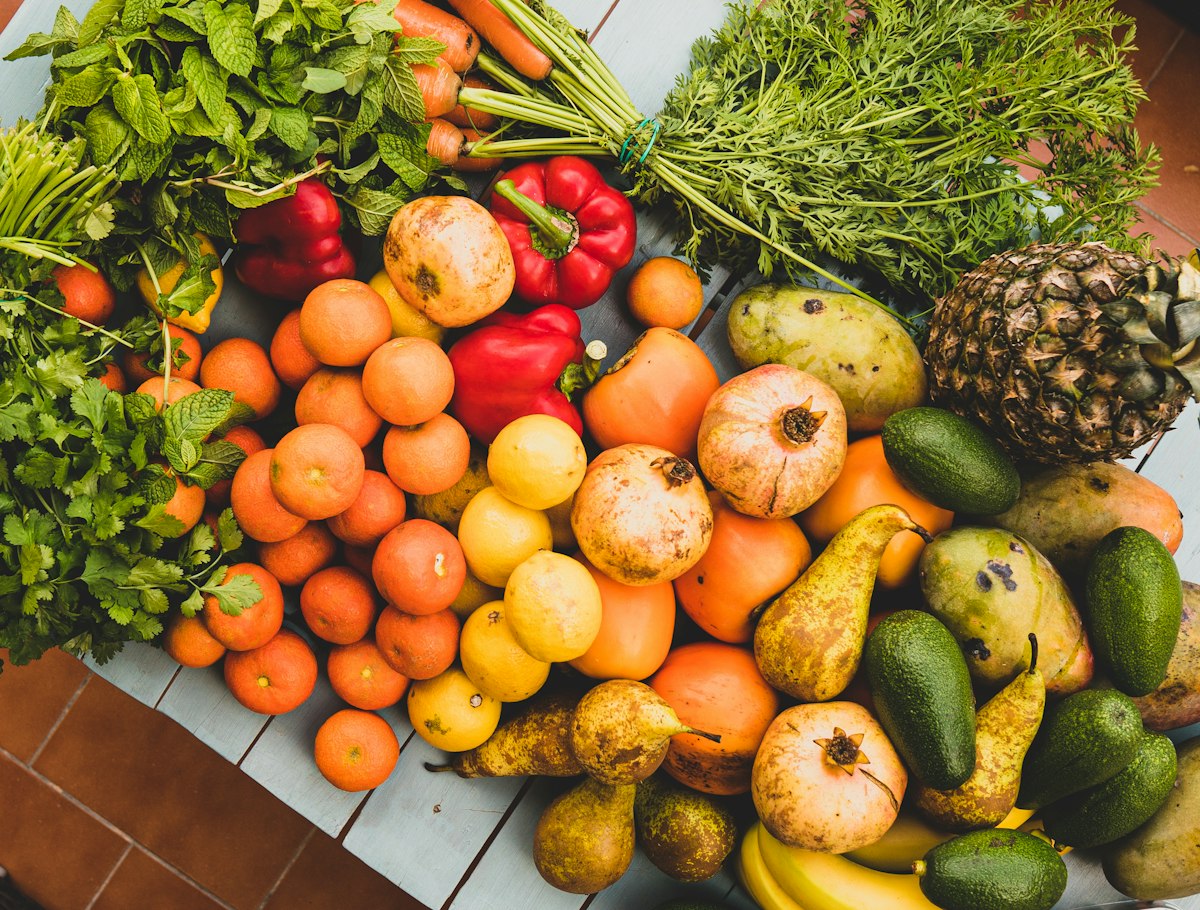
We do not stockpile fresh produce, dairy, or anything with a short shelf life, no matter how good the deal looks in the moment. That's a different category of shopping entirely, and treating a two-week window of ripe avocados like a stockpile opportunity is exactly how you end up composting your "savings."
The Monthly Stockpile Budget Cap
The single change that made this sustainable for us was putting a hard dollar cap on stockpile spending, separate from our regular weekly grocery budget. We allow ourselves up to $40 a month specifically for stockpile purchases, meaning extra quantities of pantry staples bought because the per-unit price that week is meaningfully below what we normally pay, not because we happened to walk past them.
Before we had this cap, "it's on sale" was functioning as its own justification, and our grocery bill crept up some months instead of down, because we were buying extra of things regardless of whether we actually needed more. Now, if the $40 is spent for the month, we don't stockpile again until the next month starts, even if we see another good deal. That discipline is what keeps stockpiling a savings tool instead of a spending leak disguised as one.
Tracking What's Actually on the Shelf
The other piece that made this work is knowing what we already have before we buy more. We keep a simple running list, just a note on the fridge, of stockpiled items and roughly how many of each we're holding. Canned tomatoes: 6. Rice, 5-pound bags: 2. Laundry detergent: 3. It sounds almost silly written down, but before we started tracking this, I genuinely bought a third jar of a spice blend we already had two of, because I had no idea it was sitting behind other things in the cabinet.
We also practice a simple rotation rule: new stock goes to the back of the shelf, older stock moves to the front, so we're always using the oldest item first. This is the same principle grocery stores themselves use, and it's the difference between a stockpile that turns over and stays useful, versus one where things quietly expire in the back of a cabinet you forgot existed.
Setting a Ceiling, Not Just a Budget
Beyond the monthly dollar cap, we also set a rough quantity ceiling for each item, based on how fast we actually use it. We go through about one large bag of rice every six to eight weeks, so our ceiling for rice is three bags. Once we hit that number, we stop buying rice on sale, full stop, no matter how good the price gets, until we've worked that number back down through normal use.
This ceiling matters because deep discounts can trigger a kind of tunnel vision where the deal itself starts to feel like the goal, rather than a means to an end. Setting the ceiling ahead of time, when I'm calm and not standing in front of a sale sign, keeps that instinct in check.
What This Has Actually Done for Our Budget
The payoff shows up less in any single trip and more in the weeks when we don't have to buy pantry staples at all, because we're pulling from stock we bought at a discount weeks or months earlier. Those weeks, our grocery total drops noticeably, since we're only buying fresh items and whatever that week's meals require, without needing to also restock the pantry basics at whatever price they happen to be that week.
Over the past several months of doing this deliberately, with the cap and the tracking list in place, our pantry-category spending has gone down even though our total household grocery spending has stayed roughly flat, which tells me the stockpile is doing exactly what it's supposed to: smoothing out the price we pay for staples over time instead of always paying whatever the shelf price happens to be on the day we run out.
Starting Small
If you want to try this without overhauling your whole pantry approach, start with one or two staples you buy constantly and never skip, something like rice, canned beans, or coffee. Set a small monthly cap, even $15 or $20, and a quantity ceiling based on how fast you actually use that item. Write down what you already have before you buy more. That's really the entire system. The goal was never to build a warehouse. It was to stop paying full price for things we were going to buy anyway, month after month, forever, without needing a Costco membership card or a converted garage to do it.