

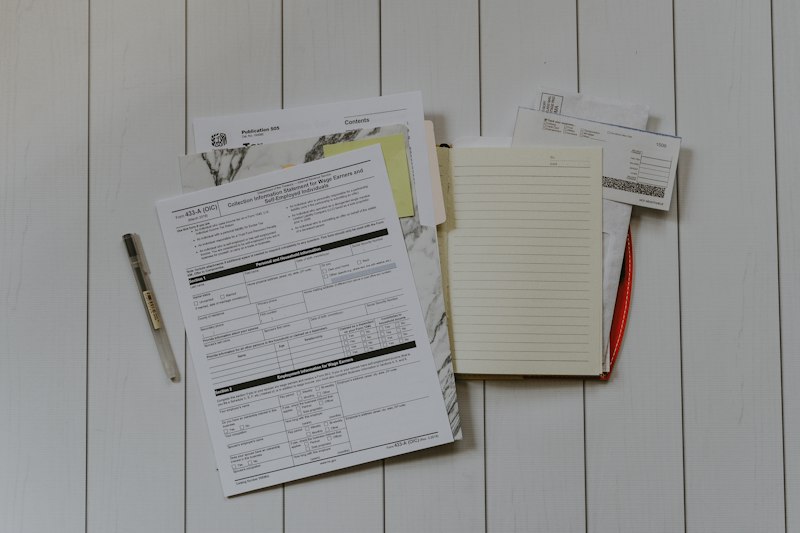

Every year has a December. It also has a car-registration month, a back-to-school month, a vet-visit month, and at least one month where the water heater, the tires, or the roof asks for money. We call these surprises, but most of them are nothing of the kind — they are irregular, not unpredictable. The sinking fund is the old-school habit that treats them that way.
The problem with 'surprise' expenses
A budget built only on monthly bills looks great until reality intervenes. The failure mode is familiar: the plan works for eight weeks, an annual bill or repair lands, the credit card absorbs the hit, and the whole system feels broken. The flaw was never discipline. The flaw was a plan that pretended irregular expenses don't exist.
Averaged across the year, these irregular costs are often as large as any single monthly bill — they just arrive in lumps instead of installments, which is precisely what makes them feel like emergencies.
What a sinking fund actually is
A sinking fund is simply money set aside a little at a time, in advance, for a known future expense. Take a cost that arrives once or twice a year, divide it by the months until it's due, and save that slice monthly. When the bill lands, the money is already there, sitting in its labeled pile. Nothing is owed, nothing is rebalanced, and nobody raids the vacation to pay the mechanic. It is budgeting's most boring trick, which is exactly why it works.
The name comes from an old practice in finance of setting money aside to retire an obligation over time, but the household version needs no jargon: it is a pile with a purpose and a due date.
Picking your categories
Look back through the last year of statements and list everything that arrived irregularly: insurance premiums, holiday gifts, car maintenance, kids' activities, annual subscriptions and renewals, home repairs, travel. Most households find a handful of recurring culprits. Start with the three that hurt most. A gifts fund alone, fed all year, is why some people stroll through December while others limp into January.
Be honest about the fun categories too. Vacations, concert tickets, and hobbies belong on the list — a sinking fund isn't only for dread, and funding a pleasure in advance always feels better than financing it afterward.
Where to keep the money
The mechanics matter less than the separation. Many banks let you create multiple named savings buckets or sub-accounts; a plain second savings account works fine, and some people still swear by the cash-envelope version for small categories. The key is that the money is visibly apart from everyday spending — labeled dollars are dramatically harder to spend on impulse than dollars loitering in checking.
For predictable near-term goals, boring is a feature: this is money you will need on schedule, so it belongs somewhere stable and reachable, not somewhere exciting.
Start small and automate
Do not try to fund every category at full strength in month one. Pick modest amounts, schedule automatic transfers for payday, and let the system run untouched. When a fund does its job — the repair paid in cash, the holidays pre-funded — you'll feel the difference immediately, and topping the funds back up becomes its own motivation. The expenses were always coming. The only question is whether future-you meets them with a labeled pile of money or with a sigh and a credit card.
If money is tight, even a token amount keeps the habit alive; the mechanism matters more than the balance at first. Review the amounts once or twice a year — costs drift, categories change, and last year's numbers will not fit forever.