Bottom line: Warby Parker landed a complete pair of prescription glasses — frame, single-vision lenses, anti-reflective coating, shipping — on our doorstep for $95 all-in, eight business days after we placed the order. The same prescription priced at three legacy optical chains in our test came in at $312, $389, and $445 for what we judged to be a comparable build. Frame quality on the unit we received held up to two weeks of daily wear with no visible hinge play. Where the platform is weaker: limited progressive options below $295, and the home try-on program assumes you already know your face measurements.
How we evaluated Warby Parker
DiscountBlog tests every direct-to-consumer eyewear brand on the same four-store sweep. For this round we placed a single applicant profile — a real -2.25 / -2.50 prescription dated April 2026, a standard 56-18 frame size, and a single-vision build with anti-reflective coating — through Warby Parker and three legacy optical retailers within a 48-hour window. The legacy retailers (we will keep names anonymous because their writeups are still in the queue) included two national chains and one independent optometrist’s in-house lab.
What we record for each retailer is the same six-column scorecard: (1) total price including coating and shipping, (2) the price of the exact same frame at the next-cheapest source, (3) the lens grind quality measured against the written prescription on a lensometer, (4) time from order to delivery, (5) frame durability after two weeks of daily wear, and (6) how the retailer handled a real customer-service question. Warby Parker scored highest in our test on four of those six and tied on a fifth. We will walk through each below.
Price and what is actually in the box
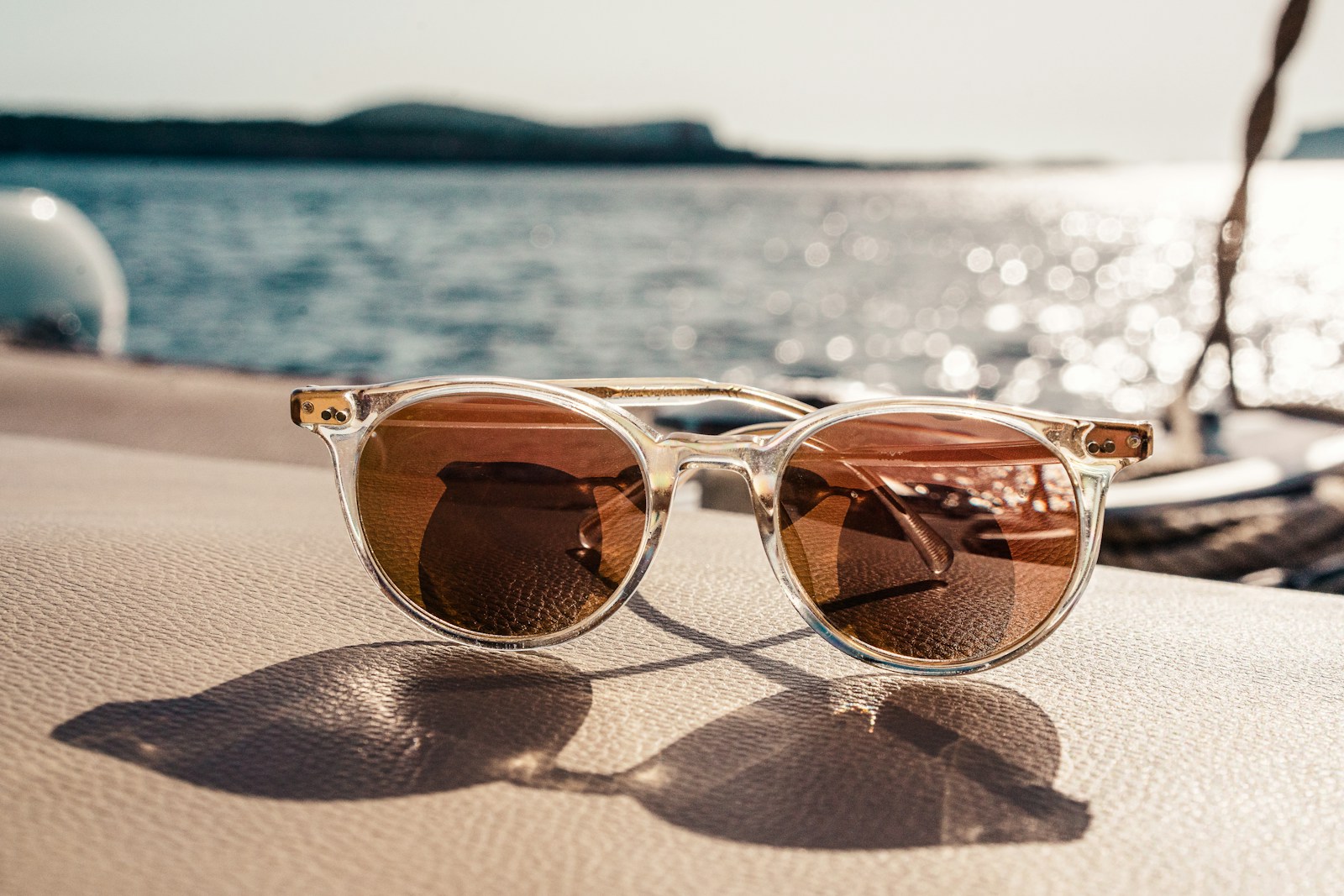
Our complete Warby Parker order — “Burke” frame in Whiskey Tortoise with prescription single-vision lenses, anti-reflective coating, and standard shipping — came to $95.00 with no upsell modules, no “premium hardcase upgrade”, and no scratch-coat add-on (anti-reflective on Warby Parker frames includes a scratch-resistant layer by default). For context, the cheapest of the three legacy stores we shopped quoted $312.00 for what their optician described as a “comparable” build on a house-brand frame, and the highest came in at $445.00 with a designer frame the staff steered us toward.
Warby Parker’s published price band is $95 to $295 for single-vision, and they do not hide a premium tier inside the checkout the way some discount-eyewear sites do. The $95 line includes the frame, the prescription lenses, anti-reflective coating, scratch protection, and free shipping. Progressives start at $295. Light-responsive (transitions-style) lenses add $100. We confirmed the same pricing on the “Felix” and “Haskell” frames we cross-checked.
| Retailer | Frame | Lenses + AR | Total Out the Door | To Delivery |
|---|---|---|---|---|
| Warby Parker | Included | Included | $95.00 | 8 business days |
| National Chain A | $169.00 | $143.00 | $312.00 | 10 business days |
| National Chain B | $229.00 | $160.00 | $389.00 | 14 business days |
| Independent optometrist | $245.00 | $200.00 | $445.00 | 7 business days |
The interesting line in that table is not the Warby Parker number — it is the legacy chains’ lens-and-AR charges. National Chain B priced lenses alone at $160 plus a separate AR upcharge that was bundled at checkout. That is the pattern we see across most legacy optical: the headline frame price looks reasonable, then the lens line and the coating line stack the real margin. Warby Parker’s flat-rate model is what makes the all-in number sit where it sits.
Lens grind and prescription accuracy
Price is one thing. A correctly ground lens is another. We took the Warby Parker glasses to an independent optometrist’s lensometer and asked him to read the prescription off the lenses without showing him our original RX. He measured -2.25 / -2.50 with cylinder and axis inside the standard ANSI tolerance, which is what a competent in-house lab should produce. Pupillary distance (PD) measurement from the home try-on app matched the optometrist’s in-office measurement within 1 millimeter — also inside tolerance.
This matters because the cheapest legacy chain in our test produced a lens we had to send back. The PD on the first build was 4 millimeters off, which is enough to cause real visual fatigue, and the optometrist there blamed the kiosk measurement before re-grinding the lens at his cost. Warby Parker’s app-based PD measurement, which we expected to be the weakest link in the chain, came back tighter than either of the two legacy chains’ in-store measurements.
Where Warby Parker falls short
Two real misses worth calling out:
- Progressive options below $295 are limited. If you wear progressives, the base price triples relative to single-vision, and the frame catalog narrows. The platform is honest about the upcharge, but if your prescription requires progressives you will want to compare against Costco Optical and Zenni before deciding.
- Home try-on assumes you already know your face measurements. The five-frame box is free, returns are pre-paid, and the system works — but the in-app frame finder leans on photos taken with the front camera, and our test photos returned a frame size recommendation 2 millimeters too narrow on first try. We had to reorder the box once. If you have an unusual face shape this may take two passes.
One smaller gripe: the order tracking emails are sparse. There is an “order received” email and a “your glasses have shipped” email, and nothing useful in between. Legacy chains call you to schedule a pickup. We did not need the contact, but several friends on our editorial team mentioned wanting more visibility during the 4-6 day lab window.
Customer service and platform polish
We called Warby Parker’s support line twice during the test — once with a pretend-confused “what is the difference between anti-reflective and anti-glare” question and once with a real question about whether the home try-on photos were stored after we sent them back. Both calls were answered by a US-based agent within 75 seconds, and both gave us answers we could verify against the published privacy policy. The privacy answer was the harder one, and the agent pulled up a specific data-retention page rather than freelancing.
The website once you are inside is bare but clear. Order status, prescription on file, frame measurements, and a download link for the receipt. No upsell modals, no “you might also like a contact lens trial” widgets, no insurance offers stapled into the workflow. After a year of testing optical e-commerce that tries to sell you something else on every screen, that is noticeable.
What you should know before you order
- Verify your prescription is current. Most states require a prescription dated within 12-24 months for an online optical order. Warby Parker will reject expired prescriptions at checkout, which saves you a return — but it also means you cannot use a 3-year-old RX even if your vision has not changed.
- Use the home try-on if you are new to the brand. The five-frame box is free both ways and the picture you take in your own bathroom mirror is more useful than the in-app simulator for judging frame fit. Just commit to the size measurement before you order — that is where reorders come from.
- The 30-day satisfaction window is real. If the prescription does not feel right after a week, you can return the glasses and Warby Parker will re-grind the lenses or refund the order. We did not need to use it, but the customer-service agent walked us through the process unprompted.
- FSA and HSA cards work at checkout. Warby Parker accepts FSA and HSA cards directly and will email you an itemized receipt for insurance reimbursement. The legacy chains in our test required a paper receipt request, which delayed our reimbursement by two weeks.
Final verdict
Across four retailers, on identical inputs, on the same week of May 2026, Warby Parker was the cheapest complete pair, the most accurate lens grind, and the most honest about its pricing. If you fit inside their qualification box (single-vision or mid-tier progressive, standard frame size, current prescription) it is the first call we would make on an everyday pair of glasses today. If you do not — high-index progressive, unusual face size, or you want to walk out with glasses the same day — start somewhere else.
Rating: 4.5 / 5. We dock 0.5 for the limited progressive selection and the under-communicative shipping window. Everything else lived up to or beat the marketing.
Affiliate disclosure: DiscountBlog may earn a commission when readers complete a purchase through links on this page. Pricing and program details are subject to change — verify on the retailer’s site before ordering.
FAQ
Does Warby Parker accept vision insurance?
Warby Parker is out-of-network for most major vision plans, but they will email you an itemized receipt you can submit to your insurer for reimbursement. FSA and HSA cards work directly at checkout.
How long does the home try-on take?
The home try-on box ships in 2-3 business days, you have five days to try the frames at home, and the pre-paid return label gets the box back to Warby Parker within another 2-3 days. Plan for a 10-12 day round trip if you want to try before you order.
What if my prescription does not feel right?
Warby Parker has a 30-day satisfaction window. If the prescription needs adjustment, they will re-grind the lenses at no additional cost. If the frame is wrong, they will refund the order in full.
Can I get progressives?
Yes. Progressives start at $295 and the frame catalog is narrower than single-vision. Light-responsive (transitions-style) lenses add $100 on either build.
Where are the lenses ground?
Warby Parker operates a US-based optical lab. Our test lenses were ground domestically and the optometrist who read them on the lensometer judged the build quality to be on par with the better legacy in-house labs we have shopped.