
The first fall my son played travel soccer, our takeout spending quietly doubled without me noticing until the credit card statement arrived. Between practice three nights a week, a younger sibling's own activities, and everyone getting home at different times, cooking a real dinner from scratch on a weeknight started to feel impossible. Ordering food wasn't a treat anymore — it was survival.
What actually fixed it wasn't a faster recipe or a slow cooker, though both help. It was shifting the cooking itself out of the chaotic weeknights entirely and into a single dedicated session that stocks the freezer for the whole stretch of the season.
Why Weeknight Cooking Was the Wrong Fight
I spent a while trying to find quicker recipes for busy nights before realizing the actual problem wasn't recipe speed — it was that any cooking at all, however fast, competes with driving a kid to practice, helping with homework, and just being present for a chaotic two-hour window most weeknights. Fifteen minutes of active cooking still means fifteen minutes I don't have when I'm also managing carpool logistics.
The fix was accepting that weeknights during sports season are not cooking time, full stop, and building a system where the cooking happens somewhere else entirely — a single longer session on a weekend — so weeknights only require reheating.
The Sunday Batch-Cooking Session
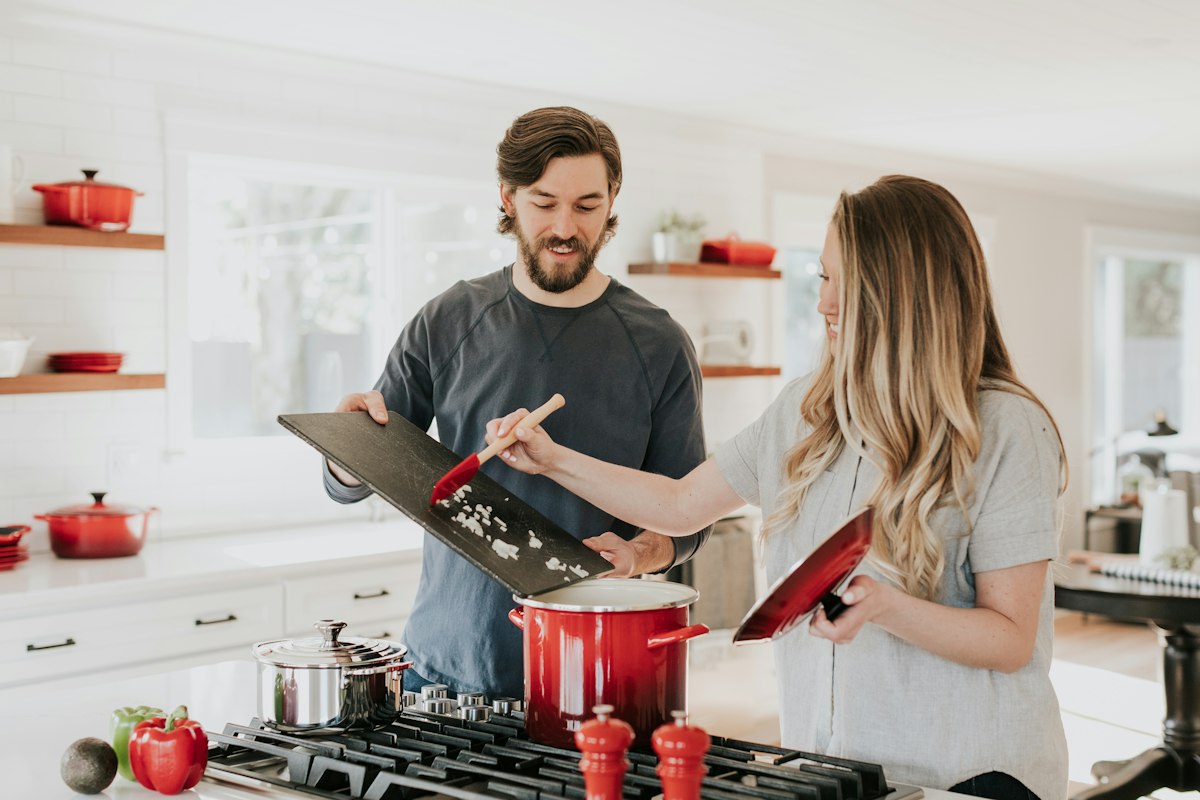
Once a week, usually Sunday afternoon, I dedicate about two and a half hours to cooking three or four freezer-friendly meals at once. This isn't more total cooking time than scattered weeknight cooking would be — it's often less, because I'm not cleaning the kitchen five separate times or making five separate trips to the grocery store during the week when I inevitably realize I'm missing an ingredient.
I pick recipes that freeze and reheat well without losing texture: soups and chilis, casseroles assembled but not baked, marinated raw proteins ready to go straight into a pan, and sauces that can be poured over pasta or rice on a night when even reheating a full casserole feels like too much. I intentionally avoid recipes with delicate textures that don't survive freezing well, like anything with a lot of raw lettuce or fresh herbs added at the end — those get a sticky note reminder to add fresh right before serving instead of freezing them into the dish.
The Actual Grocery Savings Show Up in Fewer Trips
Batch cooking for the week means one focused grocery trip instead of the two or three smaller "just running in for one thing" trips that used to happen when I was cooking meal by meal and running out of an ingredient mid-week. Those smaller trips are where a lot of impulse spending sneaks in — a candy bar at checkout, a "while I'm here" item that wasn't on the list. Cutting the number of trips down cut that invisible spending along with it.
Buying proteins and produce in the quantities needed for four meals at once, rather than four separate smaller purchases, also tends to land closer to bulk pricing, especially for meat, which is usually cheaper per pound in a larger package than a small one.
Portioning for a Family With Different Schedules
Because not everyone in our house eats dinner at the same time during sports season, I portion the frozen meals into individual or double servings instead of one giant container. A kid coming home from practice at 7:30 while the rest of us ate at 6 can grab their own portion and reheat it without needing an adult to manage a whole pot. This small change did more for keeping everyone actually eating a real dinner, instead of grabbing whatever's fastest, than any recipe change did.
What Doesn't Freeze Well, Learned the Hard Way
I ruined a good lasagna early on by freezing it with a delicate ricotta layer that turned grainy on reheat, and a pasta dish that went mushy because the noodles were fully cooked before freezing instead of slightly undercooked to account for the reheat. Now I intentionally undercook pasta by a minute or two before it goes in the freezer, and I've learned that cream-based sauces generally hold up worse than tomato or broth-based ones. These are small technical lessons, but getting them wrong a couple of times is what taught me to plan the batch-cooking menu around what actually reheats well rather than whatever recipe looked good that week.
Rotating the Freezer Stock So Nothing Goes to Waste
I keep a simple running list taped inside a cabinet door of what's currently in the freezer and when it went in, so nothing gets forgotten in the back for months. Oldest meals get pulled first, and I try to keep the total stock to about two to three weeks' worth at a time rather than trying to freezer-stock an entire season in one marathon session, which would risk quality dropping the longer things sit frozen.
What This Actually Bought Back
The real win from this system wasn't just the grocery savings, though those were real. It was getting our weeknights back from the takeout spiral without asking anyone to cook under pressure after a long day. Sports season is going to eat our evenings no matter what. Freezer-stocking just means dinner isn't also fighting for that same impossible time slot.
If you're considering trying this for the first time, I'd start smaller than you think you need — two or three meals in the first batch-cooking session rather than a full week's worth, just to see which recipes actually hold up for your family's taste after freezing and reheating before committing a whole Sunday afternoon to the system. Not every favorite recipe survives the freezer well, and it's easier to learn that lesson on a small scale than to discover it after freezing eight portions of something that turns out mediocre reheated.