

The bin lived under my younger son's bed for three years before I finally did something about it. Every spring I'd pull it out, dig through last summer's swim trunks and water shoes and a inflatable pool float shaped like a flamingo, and every fall I'd shove whatever still fit back in, along with everything new. By the time my daughter turned nine, that bin had become an archaeological record of every outgrown swimsuit since kindergarten, and I was still buying new fall clothes for three kids on the same budget every single year.
This August, I tried something different. Instead of storing the summer gear away for a hypothetical future kid or a hypothetical future summer, I photographed it, listed it the same afternoon, and used the money to fund the fall shopping trip I'd normally have dreaded. It sounds like a small procedural change. It ended up covering almost a third of what I spent on school clothes for three kids, and it changed how I think about the whole cycle.
Why I'd Never Actually Sold Anything Before
I want to be honest about why the bin existed in the first place, because I don't think I'm unusual. Selling outgrown kids' stuff always felt like a project — photograph it, price it, answer messages, arrange a pickup, deal with the person who doesn't show up. Compared to just tossing it in a bin, doing nothing was always the path of least resistance. And there was a sentimental drag too: swim gear especially gets attached to a specific memory of a specific kid at a specific pool, and it's easier to let it accumulate than to decide it's time to let go.
What changed this year wasn't a new resolve to be more organized. It was timing. I had a concrete, immediate use for the money — three kids needed new jeans, shoes, and jackets within about two weeks — and that gave the selling project a deadline and a purpose it never had when I was just trying to declutter for its own sake.
What Actually Sold and What Didn't
The swim gear moved fastest, which surprised me. Goggles, a barely-used snorkel set, a stack of rash guards in good condition, all gone within days, mostly to other parents doing exactly what I was: buying secondhand before a warm-weather trip or before next summer at a discount. Water shoes and sandals in good condition sold quickly too, especially in the more common kid sizes.
The bikes and scooters took longer but sold for more, which balanced out the time investment. A slightly-used sprinkler and the flamingo float did not sell at all — nobody wants secondhand inflatable pool toys, understandably, and I ended up donating those instead of holding out for a buyer.
The pattern I noticed: anything with a hygiene question (swimwear excepted, since it's just fabric) or anything genuinely disposable-feeling moves slowly or not at all. Anything durable — bikes, water shoes, goggles, coolers, beach chairs — has real resale value because the next family buying it is doing the same math I was: why pay full price for something my kid will outgrow or lose interest in within a year or two.
The Actual Math on the Fall Budget
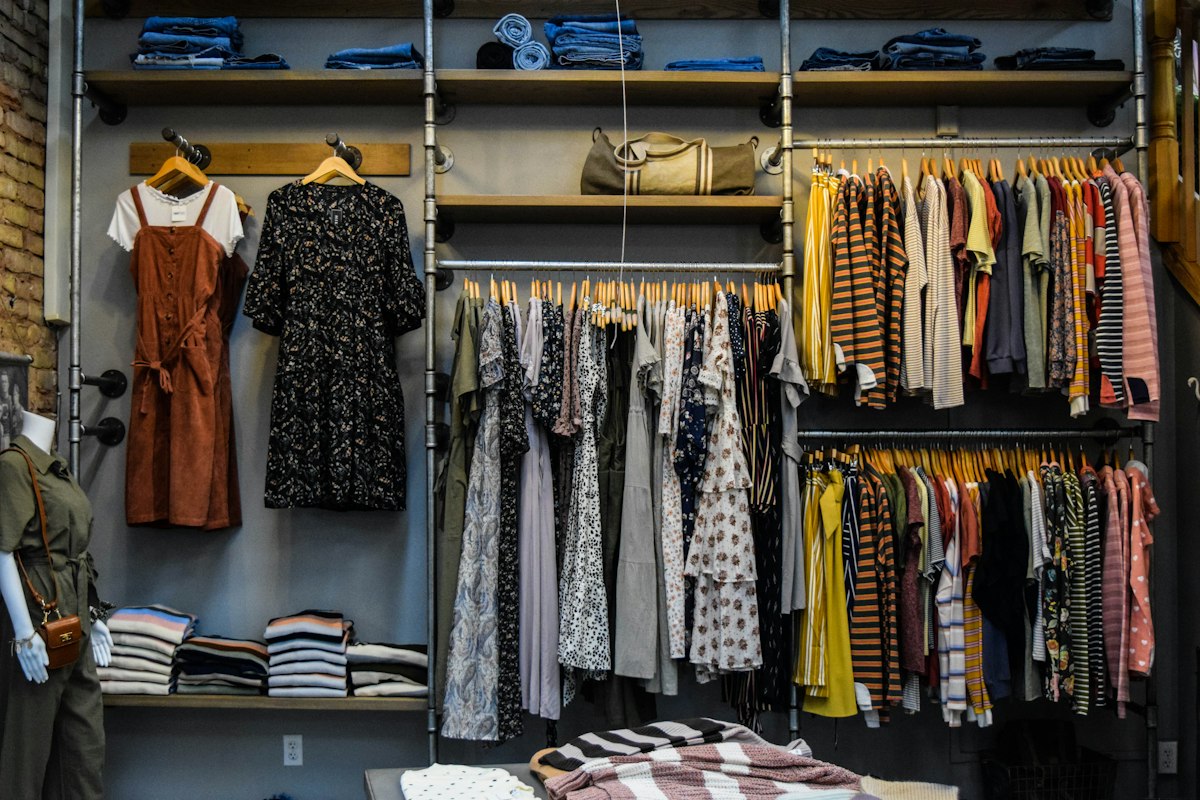
Between the three kids, our fall wardrobe list wasn't small: jeans, sneakers, a few long-sleeve shirts each, and jackets for the two younger kids who'd outgrown last year's. Historically this trip ran somewhere close to $450 across all three kids by the time I added it up, and it always felt like it materialized out of nowhere on the credit card statement in early September.
This year, the summer gear sale brought in just over $140 before I'd even started the fall shopping. That's not the whole budget, but it meant I walked into the shopping trip having already funded roughly a third of it, and psychologically that mattered more than the dollar figure alone. I wasn't starting the trip from zero and watching the total climb. I was starting from a credit, which changed how I shopped — I felt less pressure to hunt for the rock-bottom price on every single item because the money wasn't purely coming out of pocket.
Making This a Repeatable System, Not a One-Time Clean-Out
The part I want to actually keep doing isn't the big one-time purge — it's tying the sale to a specific, near-term purpose instead of a vague decluttering goal. "Clean out the summer bin" is a chore I'll put off indefinitely. "Fund half of the fall shopping trip" is a project with a deadline and a payoff I can picture.
Practically, that means starting the sorting and listing about two weeks before I plan to shop for fall clothes, not after. Selling takes a few days to actually convert to cash once you account for messages and pickups, so the timing only works if you start the clock early enough that the money's actually in hand before you're standing in a store deciding what to buy.
It also means being realistic about what won't sell and skipping the effort of listing it. The flamingo float was never going anywhere. Recognizing which items are worth the ten minutes of photographing and listing, versus which ones should go straight to a donation bag, saved me from wasting time on the low-value half of the bin.
What I'd Tell Another Parent Standing Over Their Own Bin
Don't wait for a vague future motivation to sell outgrown gear. Attach it to something specific and near-term — the next big purchase you already know is coming, whether that's fall clothes, winter coats, or next year's swim gear in a bigger size. The sale stops feeling like decluttering and starts feeling like the first step of the next purchase, and that reframing is what finally got me off the couch and onto my phone with a camera instead of just shoving the bin back under the bed one more year.